
Foundations of SEO Optimization: How Do You Optimize SEO Effectively

Search engine optimization is not a static checklist of isolated tasks, but a continuous engineering and content discipline rooted in how software bots interpret the open web. Before you write a single meta description or chase high-volume keyword targets, you must secure the technical bedrock of your digital property. Establishing robust foundations of SEO optimization begins with understanding how search engine crawlers like Googlebot navigate your directory structure, evaluate page value, and process your site architecture. If search engines encounter friction while attempting to discover, fetch, and render your pages, your visibility suffers regardless of how exceptional your editorial content might be. For those taking their first steps into this complex domain, reviewing foundational resources like a SEO for Beginners: Step-by-Step Optimization Guide can help contextualize how technical hygiene supports overall visibility.
Website architecture serves as the blueprint that dictates how effortlessly users and search engine spiders traverse your domain. A logical, hierarchical structure—typically structured from a broad homepage down to category pages, subcategories, and finally individual resource items—ensures that link equity flows smoothly throughout your entire domain. According to Google’s official documentation published in 2023, keeping critical pages within three to four clicks from the homepage dramatically improves the speed and frequency with which web crawlers discover newly updated content. When building this hierarchy, you must ruthlessly eliminate orphaned pages—content that exists on your server but lacks incoming links from any other accessible page on your site—because crawlers rarely stumble upon these hidden assets organically.
Crawlability and indexation hygiene represent the daily maintenance required to keep your technical ecosystem clean and functional. Internal linking and XML sitemaps remain core indexation hygiene for making website content discoverable and crawlable. Your XML sitemap acts as a structured map for search engine bots, listing all authoritative URLs that deserve indexing, while your robots.txt file guides bots away from private directories, user login portals, and staging environments. However, simply dropping a sitemap into your root directory is insufficient; you must regularly audit your server logs to monitor crawler behavior, ensuring that your server responds with appropriate HTTP status codes, such as 200 OK for live content and 410 Gone for permanently deleted resources, thereby conserving your allocated crawl budget.
Duplicate content represents one of the most insidious silent killers of organic performance, occurring when identical or substantially similar blocks of text exist across multiple URLs within the same domain or across different websites. Canonical tags are important for SEO optimization because they reduce duplicate-content confusion and help consolidate ranking signals. By implementing a self-referencing or cross-domain `rel=”canonical”` link element in the HTML `
` section of your pages, you explicitly signal to search engine parsers which version of a document is the master copy that deserves to hold ranking authority. This is particularly vital for e-commerce platforms where product filtering, sorting parameters, and session IDs frequently generate dozens of unique URLs pointing to the exact same inventory item.
To structure these technical priorities effectively, consider utilizing a systematic audit checklist that separates structural concerns from on-page implementation:
| Technical Component | Core Objective | Recommended Frequency |
|---|---|---|
| XML Sitemap | Direct crawlers to canonical, index-ready URLs | Monthly or upon major site updates |
| Robots.txt | Prevent bots from wasting crawl budget on low-value areas | Quarterly audit |
| Canonical Tags | Consolidate ranking power and prevent duplicate content penalties | Every time new templates are deployed |
| Internal Links | Distribute link equity and establish topical relevance | Weekly during content publication cycles |
Ultimately, mastering these foundational principles transforms your website from a collection of isolated documents into a cohesive, highly accessible information network. When your crawl budget is optimized, your internal links reinforce clear semantic relationships, and your canonical implementation safeguards against algorithmic confusion, you create an ideal environment for search engines to reward your efforts with sustainable, long-term organic growth.
Technical Excellence: Mastering Core Web Vitals and Page Speed
When conducting comprehensive website optimization, focusing exclusively on keyword placement and metadata is no longer sufficient for achieving top search engine rankings. Modern search algorithms evaluate a site’s overall infrastructure, placing immense weight on user experience metrics. Core Web Vitals remain a central SEO optimization factor, with Google using a specific set of metrics to evaluate real user experience on pages. These performance indicators measure how fast a page loads, how quickly it responds to user inputs, and how stable its layout remains while rendering. Ignoring these technical underpinnings can lead to high bounce rates and depressed visibility in search results, regardless of how stellar your content might be.
To evaluate performance accurately, webmasters must understand Google’s precise evaluation benchmarks. According to Google’s official documentation, the current Core Web Vitals thresholds require a Largest Contentful Paint (LCP) of 2.5 seconds or less, an Interaction to Next Paint (INP) of 200 milliseconds or less, and a Cumulative Layout Shift (CLS) of 0.1 or less for a “good” page experience. LCP measures perceived load speed by tracking when the main content element of a page has likely loaded. CLS measures visual stability, capturing instances where elements unexpectedly shift position and frustrate users trying to click buttons or read text. Meanwhile, interaction responsiveness has undergone critical evolutionary changes in recent algorithm updates. INP replaced FID as a Core Web Vital, shifting the optimization paradigm entirely. While First Input Delay only measured the browser’s response to a user’s first interaction, INP evaluates a page’s overall responsiveness to all user clicks, taps, and keyboard interactions throughout the entire lifecycle of the page visit. Consequently, optimization now focuses much more heavily on real interaction responsiveness across every single element a user might touch, ensuring that pages never feel sluggish or frozen during extended navigation sessions.
Diagnosing these technical bottlenecks requires a combination of real-world user data and controlled laboratory environments. The Google Search Console Core Web Vitals report remains one of the most practical tools for SEO optimization because it groups URLs into “Good,” “Needs Improvement,” and “Poor” based on aggregated field data collected from real Chrome users worldwide. This report allows site owners to identify templates or specific URL clusters that are failing Google’s usability standards at scale. However, when it comes to troubleshooting the exact cause of a failure, developers need a more granular debugging environment. PageSpeed Insights remains exceptionally useful for website optimization because it shows both field data and lab data, helping teams diagnose precisely what is slowing pages down. The lab data, powered by Google’s Lighthouse engine, simulates a device loading the page under throttled conditions, providing actionable audits for image compression, server response times, and script execution delays.
“` +———————————–+———————————–+———————————–+ | Metric | Description | “Good” Threshold | +———————————–+———————————–+———————————–+ | Largest Contentful Paint (LCP) | Measures perceived load speed | 2.5 seconds or less | +———————————–+———————————–+———————————–+ | Interaction to Next Paint (INP) | Measures overall responsiveness | 200 milliseconds or less | +———————————–+———————————–+———————————–+ | Cumulative Layout Shift (CLS) | Measures visual layout stability | 0.1 or less | +———————————–+———————————–+———————————–+ “`
A frequent culprit behind failing interaction metrics and sluggish rendering is excessive client-side script execution. Reducing JavaScript bloat is a recurring technical SEO fix because long JavaScript tasks can hurt INP and overall page responsiveness. When a browser’s main thread is blocked by executing massive scripts, it cannot process user inputs or paint pixels to the screen, leading to noticeable input lag and janky scrolling animations. To resolve this, development teams should implement code-splitting to ship only the JavaScript necessary for the immediate view, defer non-essential scripts, and break up lengthy execution blocks into smaller, asynchronous chunks. Furthermore, optimizing third-party tags—such as marketing pixels, chat widgets, and analytics scripts—is vital, as these external resources frequently monopolize browser threads and degrade Core Web Vitals without contributing directly to the core user experience.
Achieving and maintaining technical excellence requires an ongoing commitment to performance monitoring and proactive code hygiene. Because search algorithms continuously refine how they interpret user experience, webmasters should establish a routine workflow that includes weekly reviews of their performance dashboards. By addressing long JavaScript tasks, minimizing layout shifts through explicit sizing dimensions for media elements, and prioritizing efficient server responses, organizations can establish a robust technical foundation that satisfies modern search engines and delights human visitors alike.
Advanced Performance Tweaks: Images, Assets, and Mobile Experience

While foundational keyword research and on-page tagging form the bedrock of any visibility strategy, modern search engine optimization demands rigorous attention to technical frontend performance. As web browsers evolve to handle richer media, bloated pages naturally suffer from sluggish rendering speeds that directly harm search rankings. Modern image optimization remains a high-impact SEO tactic: compressing images, transitioning to next-generation formats, and implementing lazy-loading for below-the-fold assets directly improves page load performance and overall user satisfaction. Because search engine algorithms increasingly factor real-world user experience into their ranking criteria, optimizing your site’s media and mobile architecture is no longer optional—it is a core requirement for sustained organic traffic growth.
To begin optimizing heavy media assets, you must look closely at file formats and compression methodologies. Traditional formats like JPEG and PNG often generate unnecessarily large files that consume precious bandwidth, delaying the moment a page becomes fully interactive. Transitioning to modern alternatives such as WebP or AVIF can yield dramatic file size reductions without any perceptible loss in visual fidelity. For instance, WebP typically achieves a twenty-five to thirty-five percent reduction in file size compared to comparable JPEGs, according to Google’s own developer documentation from 2023. By incorporating these formats into your content management workflow—either via automated server-side transformation tools or modern image CDN plugins—you instantly decrease page weight and accelerate browser rendering times across all visitor devices.
Beyond file compression, the strategic deployment of rendering directives for above-the-fold media can completely transform your Core Web Vitals scores. The Largest Contentful Paint (LCP) metric measures how quickly the primary visual element of a page loads, and it heavily influences search visibility. On image-heavy pages, using advanced HTML attributes like `fetchpriority=”high”` or adding a `` tag in the document head for the main hero image can significantly help LCP. According to performance case studies published by Google in 2024, instructing the browser to prioritize the downloading and rendering of the primary hero image before auxiliary stylesheets or scripts can shave up to thirty percent off the total LCP timer. This ensures that visitors and web crawlers alike perceive the page as instantly responsive and fully loaded.
Equally important for managing overall bandwidth is the implementation of native lazy-loading for all media situated below the initial viewport. Loading every single image on a long-form article simultaneously forces the browser to expend processing power on elements the user cannot even see yet, creating unnecessary bottlenecks. By adding the simple `loading=”lazy”` attribute to your image tags, you instruct the browser to defer the loading of below-the-fold images until the user actually scrolls down near them. This practice drastically conserves data allowances for mobile visitors and reduces initial page weight, directly aligning with performance benchmarks established by web performance audits.
Complementing media optimization is the absolute necessity of rigorous mobile-first design and responsiveness. According to independent internet usage data compiled by Statista in 2024, mobile devices account for over fifty-eight percent of all global website traffic. Recognizing this shift, search engines exclusively utilize mobile-first indexing, evaluating the mobile version of your website for ranking and indexing purposes rather than the desktop counterpart. If your mobile user experience is compromised by horizontal scrolling, tiny tap targets, or layout shifts caused by unconstrained media, your search rankings will inevitably suffer, regardless of how strong your desktop presentation might be.
To ensure your mobile experience satisfies both users and algorithmic quality raters, your frontend architecture must adopt fluid CSS grids, scalable typography, and flexible media containers that automatically adapt to any screen width. Implementing responsive images using the HTML `
Content Quality and Answer-First Strategies in 2026
The digital publishing landscape has undergone a seismic shift, driven by the proliferation of generative artificial intelligence and increasingly sophisticated semantic algorithms. Gone are the days when a website could rank simply by publishing high volumes of generic, keyword-stuffed commodity copy. Today, search engines have evolved far beyond basic string matching; they utilize deep contextual understanding and advanced machine learning models to evaluate the true utility of digital assets. As outlined in Google’s search updates and blog documentation, the algorithms heavily prioritize unique, genuinely helpful content that demonstrates first-hand expertise and authentic value. For modern SEO copywriters and site owners, this means that every piece of published material must earn its right to exist by offering insights that cannot be automatically replicated by an entry-level language model.
To succeed in this hyper-competitive environment, content creators must master the concept of answer-first optimization. Modern search behavior is characterized by a desire for immediate, frictionless resolution. Users frequently use voice assistants, mobile devices, and direct answer interfaces that pull precise information straight from the top of the search engine results page. Consequently, burying your core answer beneath three paragraphs of introductory fluff or historical background is a fast track to high bounce rates and dismal rankings. An answer-first strategy flips the traditional journalistic inverted pyramid upside down. It requires you to place the definitive, direct answer to the user’s primary query right at the very beginning of the section or article, often within the first fifty to one hundred words.
Once the primary answer has been clearly established, you can—and should—expedite deeper engagement by providing comprehensive context, nuance, examples, and expert analysis. This structure satisfies both human readers, who appreciate immediate clarity, and advanced search algorithms, which look for clear topical relevance and well-signposted information hierarchy. When search crawlers scan a page structured with an answer-first methodology, they can instantly identify the primary entity, map the semantic intent, and feature the snippet in zero-click or rich-result modules. This dual optimization approach ensures that your content is tailored not just for traditional organic rankings, but for the entire spectrum of modern search surfaces.
Achieving this level of clarity requires a meticulous approach to information architecture and content structuring. Relying solely on a single block of continuous text will alienate readers and confuse automated parsers. Instead, modern SEO copywriters must break down complex topics using descriptive subheadings, bulleted lists, and comparison tables that map directly to secondary and tertiary user intents. For instance, if your overarching page addresses technical optimization strategies, your sub-headings should clearly isolate specific pillars such as core web vitals, schema markup integration, and internal linking frameworks. Furthermore, incorporating structured data markup helps search engines explicitly understand the relationships between different data points on your page, significantly increasing your chances of capturing prominent visual real estate in the search engine results pages.
Developing distinct content that resists the tide of commodity copy also demands the integration of proprietary insights, original data, and real-world case studies. Generic articles that merely aggregate what is already available elsewhere on the web will inevitably struggle to gain traction. When you incorporate concrete examples, step-by-step walkthroughs, and verified methodologies, you inherently signal quality to search quality raters and algorithmic quality classifiers alike. This strategy aligns with the broader push across the search ecosystem toward rewarding content that exhibits high levels of Experience, Expertise, Authoritativeness, and Trustworthiness. By anchoring your articles in practical application and transparent sourcing, you create a defensible moat around your organic traffic that generic AI-generated content cannot easily penetrate.
Ultimately, optimizing your website for the contemporary search ecosystem is no longer about tricking an algorithm; it is about serving the user’s intent with maximum efficiency and unmatched depth. By combining an answer-first structural philosophy with rigorously unique, authoritative insights, you align your publication strategy with the core goals of modern search engines. As algorithms continue to refine their ability to discern truly helpful material from digital noise, prioritizing substantive value and frictionless information retrieval will remain the most reliable path to sustainable organic visibility and long-term search success.
Navigating Generative AI Search and Schema Markup Updates
The landscape of search engine optimization has undergone a profound transformation, requiring digital marketers to rethink traditional paradigms. As search engines increasingly prioritize generative experiences, conversational interfaces, and direct AI-synthesized summaries, the criteria for earning visibility have shifted dramatically. To understand the gravity of these shifts, digital strategists must look closely at how search engine result pages have evolved to feature zero-click information spaces, conversational answer boxes, and deeply contextualized entity graphs. For those seeking a deeper tactical roadmap to survive these AI-driven modifications, reviewing comprehensive guides like SEO in 2026: Surviving AI Answers and Winning Traffic Now offers crucial perspective on maintaining organic traffic flow when traditional blue links are pushed further down the viewport.
To secure visibility inside these advanced generative ecosystems, webmasters must lean heavily on official documentation and industry standards. According to Google’s official documentation published in their A new resource for optimizing for generative AI in Google Search guide, structuring your underlying technical architecture has never been more critical for machine readability. Generative engines do not merely read text strings; they parse complex semantic relationships, entities, and contextual intents. Consequently, implementing rigorous technical protocols ensures that your brand’s data is accurately ingested, synthesized, and cited within AI-generated responses rather than being bypassed altogether.
At the core of this technical readiness lies structured data, which acts as a foundational roadmap for crawlers navigating your site’s architecture. Structured data in JSON-LD is still recommended for helping search engines understand page content and eligibility for rich results, serving as an unambiguous bridge between human-readable content and machine interpretation. By explicitly defining entities, products, authors, organizations, and relationships using standardized schema vocabularies from Schema.org, you provide generative crawlers with pristine, pre-digested data points. This precision allows AI systems to pull your facts, pricing matrices, and author credentials directly into knowledge panels and conversational query outputs with absolute confidence.
However, the technical governance of structured data is far from static, demanding constant maintenance and alignment with platform updates. Another recent change is that several older structured-data-focused tactics are becoming less central, while Google has announced it will remove support for some structured data types in Search Console and its API starting in January 2026. This deprecation cycle means that digital marketers must audit their existing schema implementations immediately. Clinging to outdated, legacy markup types not only wastes development resources but can also clutter your Search Console reports with obsolete error warnings, distracting your team from modern optimization priorities.
To adapt successfully to these protocol shifts and maintain clean reporting workflows, webmasters should implement a systematic structured data governance framework:
- Comprehensive Schema Audit: Catalog every instance of JSON-LD deployed across your domain, cross-referencing them against the latest Search Console documentation to identify deprecated properties and unsupported types ahead of the January 2026 deadline.
- Entity-First Optimization: Expand your schema deployment beyond basic article or product markup to include robust `Organization`, `Person`, and `FAQ` markup, reinforcing your site’s authoritative entities for generative AI models.
- Validation and Automated Testing: Integrate automated testing scripts into your continuous deployment pipeline to validate JSON-LD syntax against Schema.org standards before new templates go live.
- Monitoring API Adjustments: Keep a close watch on Search Console API changes to update internal reporting dashboards, ensuring that monitoring tools accurately reflect modern indexing and rich result performance metrics.
By coupling meticulous JSON-LD schema management with a clear understanding of generative AI mechanics, your website can transition smoothly into this new era of search. The goal is no longer just ranking for a keyword, but establishing your digital assets as trusted, verifiable sources of truth that AI engines naturally prefer to reference and cite.
Measuring Success, Auditing, and Continuous SEO Optimization
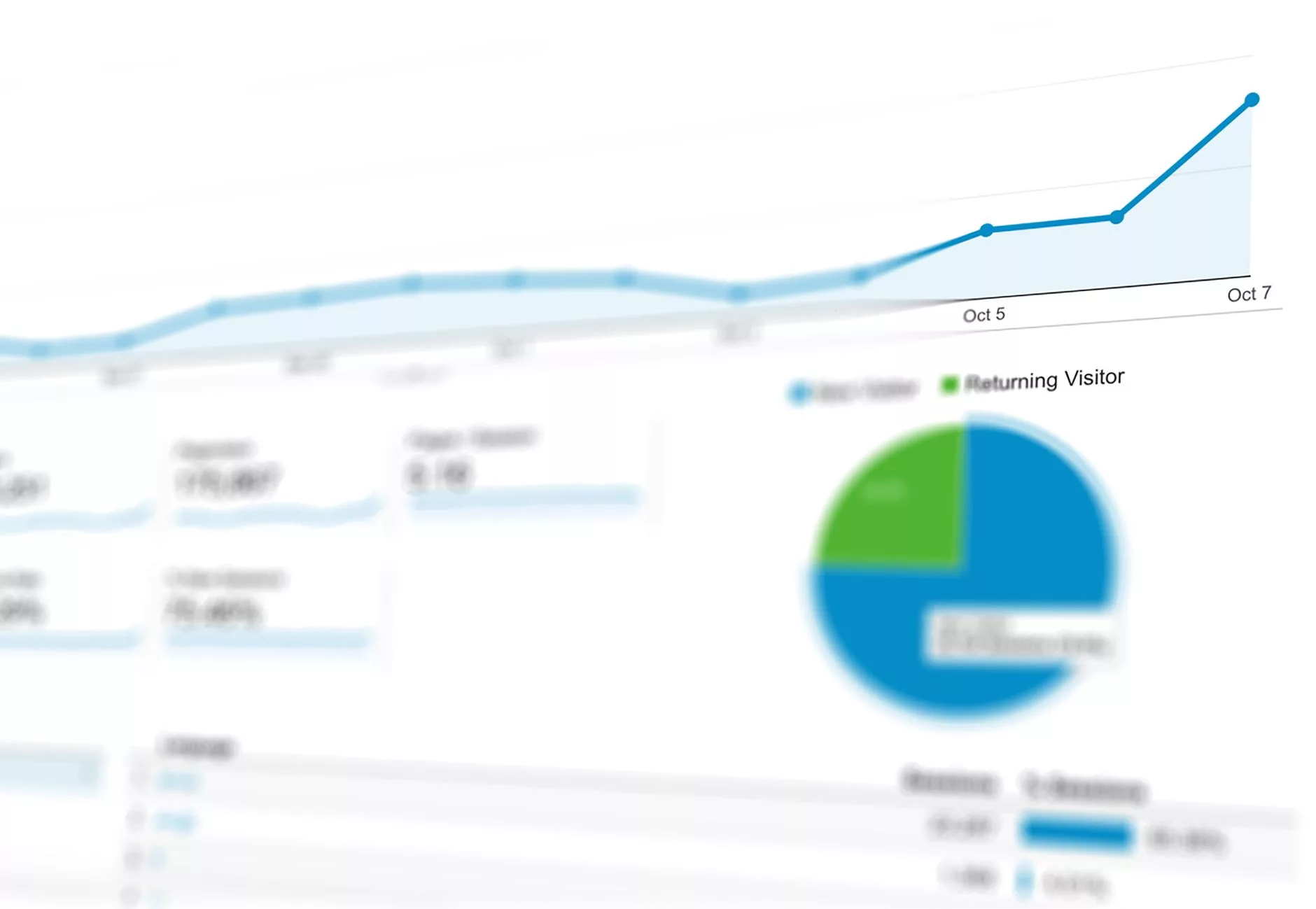
Search engine optimization is not a static, one-time project where you implement a series of fixes, walk away, and expect permanent top-tier rankings. Because search engine algorithms, competitor strategies, and user intent constantly evolve, maintaining your organic visibility requires a disciplined, cyclical framework of monitoring, auditing, and refinement. Establishing a repeatable measurement workflow ensures that your website remains resilient against algorithm updates while steadily capturing a larger share of organic search traffic over the long term.
To accurately evaluate the impact of your on-page, technical, and off-page optimization efforts, you must rely on robust data rather than guesswork. Google Search Console serves as the foundational diagnostic platform for any serious search marketer. According to Google’s public documentation, monitoring your impressions, clicks, average click-through rate, and average position for specific queries allows you to identify which keywords are gaining traction and which are underperforming. Furthermore, Google Search Console’s Core Web Vitals report remains one of the most practical tools for technical SEO optimization because it groups URLs into “Good,” “Needs Improvement,” and “Poor” categories based on real-world field data rather than synthetic lab tests. Regularly reviewing this report helps you catch sudden regressions in user experience metrics—such as Largest Contentful Paint or Cumulative Layout Shift—before they negatively impact your rankings.
Complementing Google Search Console with a comprehensive web analytics platform, such as Google Analytics 4, provides deeper insight into user behavior after visitors land on your pages. While search console data tells you how people find your site, analytics reveal how they interact with your content. Metrics such as engagement rate, average engagement time, conversion rates, and user paths through your site help determine whether your organic traffic is converting into tangible business value. When analyzing these metrics, segment your data specifically by organic search traffic to isolate how SEO-driven visitors behave compared to paid, social, or direct traffic channels.
Transitioning from passive monitoring to active quality control requires executing structured SEO audits on a predictable schedule. A comprehensive site audit should be performed at least once a quarter, with lighter checks conducted monthly. Your audit checklist must encompass several critical pillars:
- Technical Health: Crawl your entire website using a reliable crawler tool to identify broken internal and external links (404 errors), unwanted redirect chains, missing or duplicate meta titles and descriptions, and orphan pages that lack internal links.
- Indexation and Crawl Budget: Review your robots.txt file, XML sitemaps, and canonical tag implementations to ensure search engine crawlers can efficiently discover, index, and prioritize your most valuable revenue-generating pages.
- Content Relevance and Quality: Audit existing content for outdated information, cannibalization issues where multiple pages target the same keyword, and opportunities for content refreshing or expansion based on new search trends.
- Backlink Profile Health: Monitor your incoming link profile for sudden spikes in toxic, spammy backlinks that could trigger manual penalties or algorithmic suppression, utilizing disavow tools if necessary.
Building a continuous improvement cycle means translating the findings from your regular audits and metric reviews into an actionable task backlog. When an audit reveals a drop in rankings for a key cluster of pages, your team should immediately investigate whether the shift stems from a technical error, a change in search intent, or aggressive competitor optimization. By prioritizing these fixes according to their potential impact and implementation effort, you create a dynamic feedback loop. This iterative process of measuring performance, diagnosing underlying issues, executing targeted optimizations, and re-evaluating results forms the backbone of sustainable organic growth, ensuring your website consistently delivers exceptional value to both users and search engines.