
Google Launches Gemini 3.8 Live for Search Live
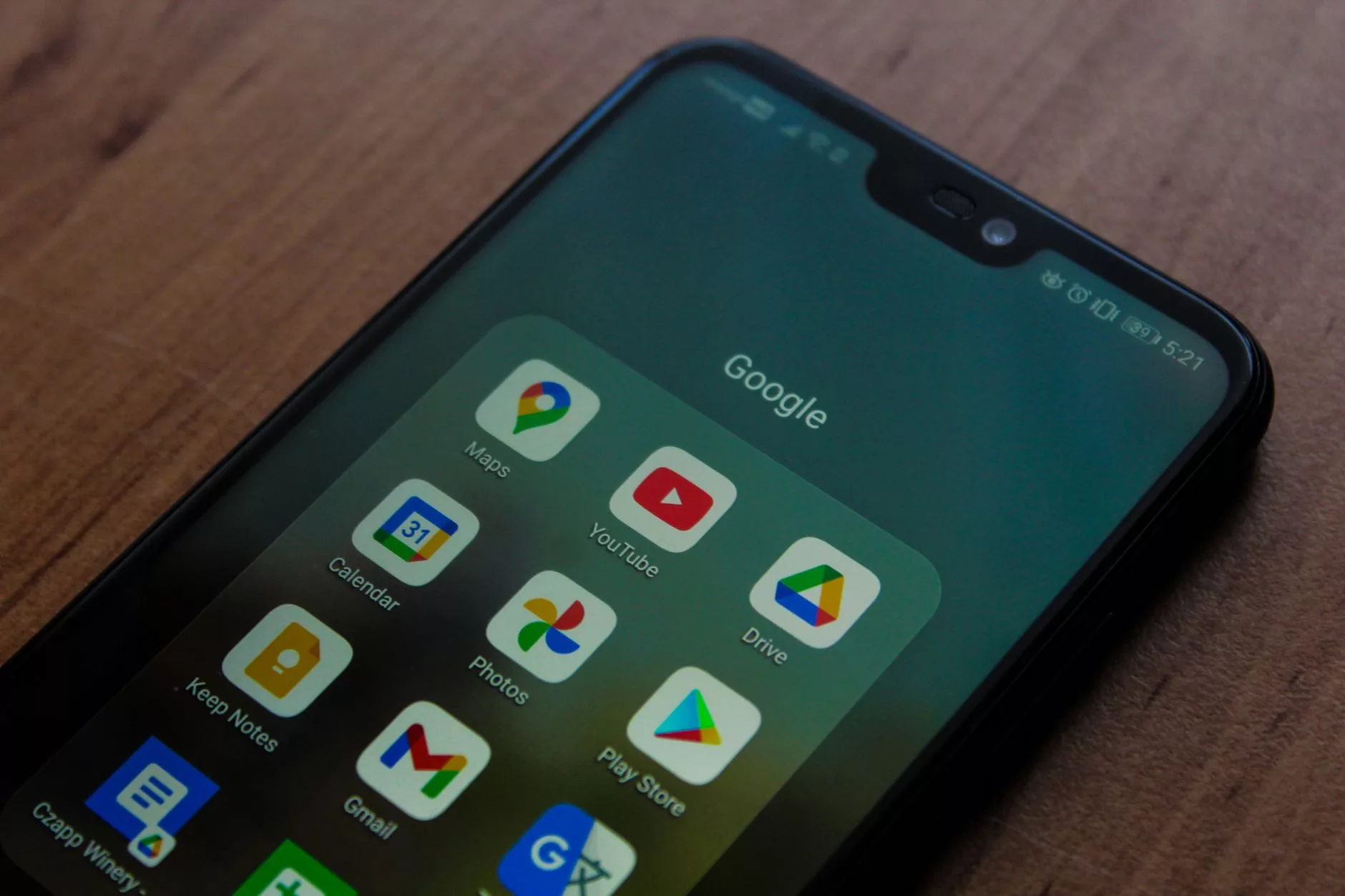
In a major development for conversational artificial intelligence and information retrieval, Google has officially announced the release of its advanced Gemini 3.8 Live and 3.8 Live Extended Thinking models. This rollout marks a significant shift in how users interact with their mobile devices, as the newly integrated 3.8 Live architecture is now actively powering real-time, fluid conversations within Search Live directly on the official Google app. According to an official announcement and public statement shared by Rajan Patel, Vice President of Engineering for Search at Google, the deployment began rolling out globally, bringing unprecedented conversational depth and responsiveness to everyday web queries.
The integration of the Gemini 3.8 Live model addresses historical latency bottlenecks that often plagued voice-activated search interfaces. By leveraging optimized audio processing pipelines, the system allows users to interrupt, pivot, and converse with the search engine in a manner that closely mimics human-to-human dialogue. This enhancement aligns with broader industry trends observed in modern AI deployments, where multi-modal capabilities are rapidly becoming the baseline for consumer technology platforms. Digital marketers and SEO professionals monitoring these shifts can reference insights from studies like the Semrush Spotlight: New Data on AI Search Visibility and Conversions to understand how changing interface modalities impact user engagement metrics and search visibility over time.
For developers and advanced users, the introduction of the companion Gemini 3.8 Live Extended Thinking model represents an even more robust capability. This variant is engineered to handle complex, multi-step reasoning tasks on the fly, synthesizing disparate sources of information before formulating an audible response. Detailed technical breakdowns and rollout schedules can be found through official industry reporting, such as the comprehensive coverage provided by Gemini 3.8 Live powers Google Search Live. As this technology continues to scale across millions of devices, it fundamentally alters the paradigm of mobile search from rigid keyword matching to dynamic, spoken-word exploration.
How Search Live Works with Multilingual Support and Transcripts
Interacting with the Google ecosystem has evolved dramatically following Google’s introduction of voice-driven search functionalities. To experience this feature firsthand, users simply need to open the updated Google app, tap the dedicated “Live” icon, and verbally pose any question to the system. Rather than receiving a wall of static text, you immediately hear a natural, conversational AI-generated audio response. This fluid design allows you to ask immediate follow-up questions, creating a free-flowing dialogue that mimics a conversation with a human expert.
As detailed in official Google documentation, the underlying audio models introduce sophisticated capabilities designed to remove traditional search friction. One of the most powerful features is fluid multilingual support, which allows users to seamlessly switch languages mid-conversation without interrupting the flow or resetting the context. Whether you start talking in Spanish and transition to English halfway through your query, the system adapts instantly, delivering accurate responses in whichever language you prefer.
Beyond verbal exchanges, the interface integrates visual data dynamically. While you listen to the audio output, Google simultaneously displays relevant web links right on your screen. This dual-modal approach enables you to quickly dive deeper into sources, cross-reference data, or verify facts instantly if you are actively watching your device.
For moments when reading is preferred over listening, the interface includes a dedicated text option. Users can tap the “transcript” link to view the complete conversation in a written format. This transcript button not only displays past dialogue but also allows you to seamlessly continue asking questions by typing if your current environment is not suited for voice commands.
Furthermore, managing your research over time is remarkably straightforward. According to Google’s product updates released for 2026, if you want to revisit a past conversation or build upon previous queries, you can easily pick up right where you left off by heading directly to your AI Mode history. This ensures that complex, multi-step research sessions are never lost, bridging the gap between quick voice lookups and long-term project planning.