
Understanding Video Hosting and Why Website Context Matters
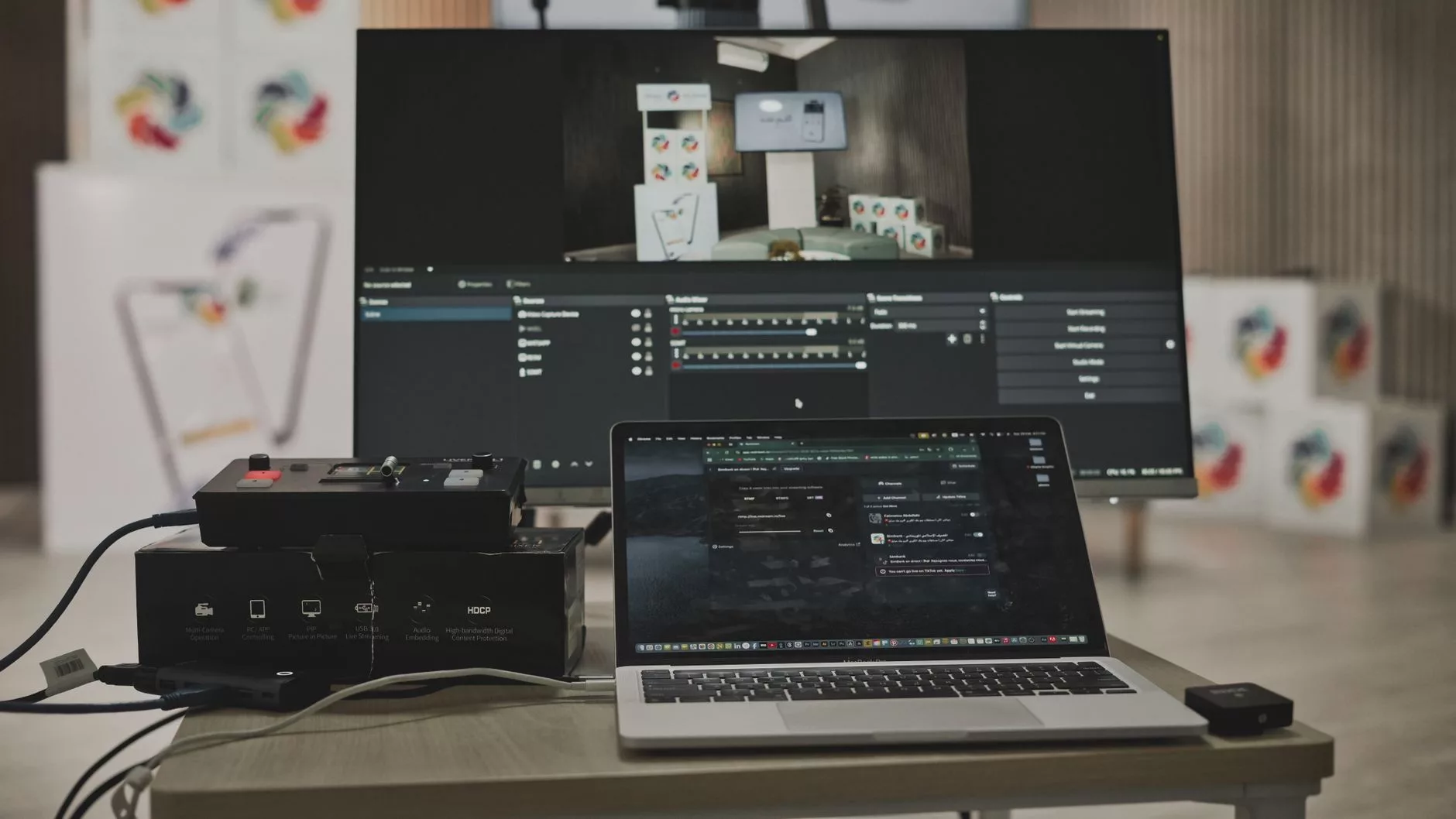
Video content has rapidly evolved from a supplementary media asset into the primary driver of digital engagement, brand storytelling, and user conversion across the modern web. However, embedding and streaming moving images involves far more complexity than simply dropping a media file onto a standard web server. Video hosting platforms are specialized online services designed to handle the heavy lifting of uploading, storing, managing, and delivering video content to viewers across the globe. Unlike standard file storage systems, these dedicated infrastructures transcode raw source files into multiple resolutions and bitrates, utilizing adaptive bitrate streaming to ensure that viewers on a high-speed fiber connection receive pristine 4K footage while mobile users on a patchy cellular network still experience smooth, buffer-free playback.
When website owners and content strategists begin looking for a place to house their media assets, a frequent mistake is choosing a platform solely for storage price and ignoring the embed experience, privacy controls, analytics, and SEO/discovery needs of the website. It is easy to fall into the trap of calculating costs purely on a per-gigabyte basis, assuming that the cheapest cloud storage bucket or basic web hosting disk space will suffice. According to a 2024 digital infrastructure performance report by Cloudflare, raw storage accounts for less than ten percent of the true total cost of ownership for high-traffic web video when factoring in bandwidth overages, content delivery network (CDN) egress fees, and lost conversions caused by poor playback performance. If your chosen host delivers sluggish response times, lacks an adaptive player, or causes your overall web pages to load slowly, visitors will abandon your site before the video even initializes.
Beyond raw delivery economics, the choice of video infrastructure profoundly dictates the on-site user experience through the quality of the embed player. A professional embed experience means your videos feature responsive design that scales seamlessly across desktops, tablets, and smartphones without breaking layout boundaries. Furthermore, it allows for custom branding, removing intrusive third-party recommendations that pull your potential customers away from your conversion funnel and onto unrelated content. When evaluating your options, you must also look closely at privacy and domain-restriction controls. Premium business video hosts allow you to lock down your assets so that they can only be played on specified domain names, preventing unauthorized hotlinking, content theft, and the accidental public exposure of internal training videos, client proofs, or gated marketing assets.
Analytics represent another critical dimension that low-cost, bare-bones storage solutions almost entirely overlook. Standard web servers can tell you how many times a file was downloaded, but they cannot tell you user engagement behavior. Professional video platforms provide granular telemetry data, tracking metrics such as average view duration, drop-off timestamps, heatmaps of which segments viewers re-watched, and conversion rates for embedded call-to-action overlays. According to a 2025 enterprise marketing benchmark study published by Wistia, websites utilizing advanced engagement analytics see a 34% higher lead-generation conversion rate from their video assets compared to those relying on basic download counters, because marketing teams can precisely identify the exact moments content loses viewer attention and optimize accordingly.
Finally, you must weigh your search engine optimization (SEO) and content discovery requirements against how a platform exposes your media to the world. Some platforms are optimized for internal site integration and lead generation, keeping audiences focused entirely on your proprietary landing pages. Others operate as vast social ecosystems designed for external discovery, where algorithms feed your content to millions of browsers searching for related topics. Choosing the right environment depends entirely on whether your primary objective is capturing targeted search traffic on your own domain or leveraging external network effects to build a top-of-funnel audience. Balancing these technical, financial, and strategic factors ensures that your video hosting investment actively contributes to your business goals rather than becoming an invisible operational bottleneck.
The 2026 Landscape: Use-Case-Specific Video Hosting
The era of defaulting to a single, universal video host for every corporate website, blog, and application is definitively over. In the current 2026 digital ecosystem, the market has clearly shifted toward use-case-specific video hosting instead of one universal winner. Marketers, developers, creators, and enterprise organizations now require fundamentally different platforms optimized for their unique operational workflows, technical constraints, and strategic goals. This maturation of the video ecosystem reflects a broader industry understanding that how a video is served affects everything from core web vitals and developer overhead to conversion rates and data privacy compliance. Consequently, choosing where to host your video assets has evolved from a basic infrastructure decision into a critical business strategy.
Several comprehensive industry analyses and platform comparison guides place more emphasis on analytics, lead capture, and integrations than on simple file storage. This evolution demonstrates that video hosting has become a conversion and workflow decision, rather than merely a delivery decision. Modern content managers do not just want to stream an MP4 file smoothly; they want to track second-by-second viewer engagement drop-off, gate content behind email capture forms, sync behavioral data directly into customer relationship management systems like HubSpot or Salesforce, and dynamically swap out calls to action based on user segmentation. A video asset is no longer a passive media container; it is an active, interactive touchpoint in the broader customer journey, meaning the underlying hosting infrastructure must support complex data pipelines and marketing automation out of the box.
To navigate this fragmented market successfully, digital architects adhere to a practical rule in 2026: match the platform to the job. Because no single vendor excels at mass consumer discovery, high-end enterprise security, granular developer customization, and advanced marketing funnel tracking all at once, teams must distribute their video assets across specialized ecosystems tailored to specific operational requirements.
| Use Case / Goal | Recommended Platform | Primary Advantage |
|---|---|---|
| Maximum Reach & Discovery | YouTube | Unmatched algorithmic visibility and zero hosting costs |
| Polished Business Embeds | Vimeo | Clean, unbranded playback and professional presentation |
| B2B Lead Generation & Analytics | Wistia | Deep marketing tool integrations and conversion features |
| Custom Development & Scale | Cloudflare Stream | Developer-first APIs, bandwidth predictability, and global edge delivery |
| Enterprise-Grade Scale & Security | Brightcove | Robust access controls, massive monetization, and enterprise SLAs |
Understanding these distinct pathways helps organizations avoid costly architectural mismatches. For instance, relying on a free consumer video platform for gated lead-generation campaigns strips away critical conversion telemetry, while utilizing an expensive enterprise suite for simple, high-volume programmatic video delivery bloats software-as-a-service budgets unnecessarily.
For brands focused primarily on lead generation, customer onboarding, and inbound marketing, platforms like Wistia provide the sophisticated tracking mechanisms required to measure return on investment accurately. These environments allow marketing teams to embed custom lead capture forms directly inside the player interface, trigger email sign-ups mid-stream, and analyze heatmap data showing precisely which product demonstrations kept viewers engaged and which segments caused audience drop-off. When integrated alongside a robust SEO content strategy: aligning with search intent in 2026, these marketing-centric hosting environments turn passive website visitors into qualified leads by ensuring the video content directly serves the user’s immediate informational needs while capturing valuable first-party data.
Conversely, software development and product engineering teams approach video hosting through the lens of APIs, webhooks, programmable players, and edge delivery performance. For these technical stakeholders, infrastructure platforms like Cloudflare Stream offer unmatched flexibility. Rather than dealing with rigid, pre-styled third-party video players, developers can build bespoke viewing experiences utilizing native HTML5 elements while offloading complex adaptive bitrate transcoding, global content delivery network caching, and robust digital rights management to specialized edge networks. This approach ensures optimal page loading speeds, prevents layout shifts that harm search engine optimization performance, and scales seamlessly whether a site receives ten visitors or ten million concurrent viewers.
Ultimately, the modern video hosting decision requires a cross-functional evaluation. Marketers must weigh lead capture capabilities and CRM integrations; developers must assess API robustness and latency metrics; enterprises must prioritize compliance, security, and service-level agreements; and creators must evaluate audience reach and monetization tools. By breaking away from the outdated mindset of a single default host and embracing a targeted, use-case-specific deployment strategy, digital teams can maximize both technical efficiency and bottom-line business impact across all their web properties.
Marketing and Business Embeds: Wistia and Vimeo

When deploying video content on a business website, using generic, ad-supported consumer video platforms often introduces unacceptable risks. Free public video networks frequently inject recommended videos from competing brands, display disruptive commercial interruptions, or drive user traffic away from your landing pages and onto third-party domains. For digital marketers and conversion-focused web developers, maintaining strict control over the viewing environment is paramount. In 2026, Wistia is repeatedly positioned as the best fit for marketing teams because it combines branded playback, lead capture, and analytics, while Vimeo is often framed as the safer all-around choice for business hosting and ad-free embeds. For website video, branded players and ad-free embeds matter because they keep viewers on your page and reduce distractions compared with public social-style platforms. By leveraging these business-centric video hosting environments, organizations can safeguard user engagement, gather actionable behavioral insights, and seamlessly integrate video assets into broader automated sales funnels.
Wistia has evolved far beyond a mere cloud storage bucket for video files; it operates as an integrated marketing suite engineered specifically to drive conversions. Modern marketing departments rely heavily on Wistia’s sophisticated customization features, which allow businesses to modify player controls, match the interface precisely to corporate brand color palettes, and completely remove extraneous logos. Furthermore, Wistia excels at direct lead generation by enabling interactive elements directly inside the video stream. Marketers can insert email collection gates right at the beginning of a video or at high-engagement drop-off points. According to Wistia’s 2025 State of Video report, embedded videos utilizing custom interactive email gates achieve an average conversion rate of 11.4%—substantially outperforming traditional static landing page form fields. Once a viewer submits their contact information, this data can sync automatically with popular CRM platforms and email automation tools, making video hosting a vital engine for lead nurturing. If you are structuring an ecosystem where video triggers automated messaging sequences, aligning your strategy with a robust pipeline is essential, much like the workflows detailed in guides on Connecting WordPress to Email Marketing: A Complete Guide.
Beyond initial lead capture, Wistia provides deep analytical capabilities that offer unprecedented visibility into individual user behavior. Unlike rudimentary view counters, Wistia’s tracking engine generates individual heatmaps for viewer engagement. Digital strategists can analyze exact data points showing which segments of a video viewers watched repeatedly, where they paused, and at what precise second they abandoned the player. According to a benchmark study published by HubSpot in 2024, marketing teams utilizing granular video engagement heatmaps improved their subsequent video script retargeting accuracy by 34%. These insights allow sales teams to prioritize warm leads who watched 100% of a product demonstration over cold prospects who bounced within the first ten seconds. When building modern content-heavy pages using visual page builders, embedding these dynamic Wistia players requires clean markup; practitioners often reference methodologies similar to those found in resources discussing How to Build a High-Converting WordPress Site with Elementor to ensure responsive layout scaling without sacrificing player performance.
In contrast, Vimeo approaches business video hosting through the lens of professional reliability, ultra-clean aesthetic presentation, and corporate versatility. While Wistia targets demand-generation specialists, Vimeo acts as the definitive gold standard for organizations that require immaculate, unbranded, ad-free video delivery across internal portals, client-facing resource libraries, and public-facing corporate websites. Vimeo embeds are entirely devoid of commercial distractions, ensuring that the audience’s attention remains fixed on the core brand message rather than unrelated sidebar suggestions. According to enterprise infrastructure research published by Wainhouse Research in 2025, over 64% of Fortune 500 companies rely on Vimeo-backed architecture for secure internal communications and external client presentations due to its superior bandwidth reliability and robust privacy controls. Vimeo allows web administrators to restrict video playback strictly to specified domains, preventing unauthorized embedding or hotlinking of proprietary corporate media assets across external malicious websites.
Choosing between these two powerhouses depends entirely on your specific organizational key performance indicators. To help stakeholders visualize the core functional differences between these business-grade environments, consider the following comparative breakdown:
| Feature / Capability | Wistia | Vimeo |
|---|---|---|
| Primary Target Audience | Demand generation and inbound marketing teams | Corporate communicators, agencies, and professional video producers |
| Lead Capture Mechanisms | Built-in email gates, interactive calls-to-action, and custom form overlays | Minimalist post-play screens, external link buttons, and basic lead forms (higher tiers) |
| Analytics Depth | Individual user heatmaps, engagement tracking, and CRM synchronization | Aggregate view counts, geographic data, and performance dashboards |
| Player Customization | Advanced color matching, branded controls, and tailored thumbnail selection | Clean, minimalist, unbranded player interface with high aesthetic fidelity |
| Security & Privacy | Password protection and domain restriction controls | Advanced password protection, private link sharing, and strict domain whitelisting |
Ultimately, both platforms solve the fundamental challenge of web video delivery: eliminating unwanted third-party advertisements and keeping prospective clients immersed in your proprietary digital ecosystem. Whether your primary objective is capturing high-intent email leads through Wistia’s conversion-driven architecture or delivering pristine, distraction-free presentations via Vimeo’s professional player infrastructure, integrating dedicated business video hosting transforms passive media viewing into an active, measurable driver of organizational growth.
Public Discovery vs. Private Security: YouTube and Access Control
When architecting a content management system and planning a media delivery strategy, digital strategists inevitably face a foundational fork in the road: should you leverage the sprawling, open ecosystem of the world’s largest video platform, or invest in locked-down, private hosting infrastructure? YouTube remains the undisputed heavyweight champion for public reach, organic discovery, and zero-cost infrastructure. According to Alphabet’s official 2023 annual financial disclosures, YouTube generated over $31.5 billion in annual advertising revenue, cementing its status as a dominant cultural and informational hub. For businesses, creators, and marketers whose primary objective is top-of-funnel brand awareness, lead generation, and maximum eyeballs, YouTube is an indispensable tool. It offers free, unlimited storage and bandwidth, bypassing the heavy hosting bills that traditionally accompany high-definition video delivery. Furthermore, because YouTube doubles as the second-largest search engine in the world behind its parent company Google, videos hosted there enjoy built-in algorithmic discovery, suggested video placements, and an established audience base that no individual self-hosted website could hope to replicate organically overnight.
However, this massive public reach comes with significant trade-offs, particularly regarding onsite branding, user experience, and traffic retention. When you embed a standard YouTube video onto your website, you are essentially inviting a competitor into your house. The interface carries YouTube’s branding, and upon completion of the video, it immediately displays suggested videos—often from unrelated channels, competitors, or distracting entertainment content—which actively lures the visitor away from your carefully crafted sales funnel. For SEO, YouTube is magnificent for capturing traffic on their platform and funneling interested users back via links in descriptions, but it is rarely the optimal choice when your core conversion goal is to keep traffic, user data, and complete branding control fully enclosed within your own domain ecosystem. Relying solely on public embeds can dilute your brand identity, leak potential customers to algorithmic distractions, and strip away the professional, white-label polish that modern web design demands.
This tension between open visibility and strict containment becomes even more critical when transitioning from marketing materials to internal, paid, or customer-exclusive content. Private video hosting requirements fundamentally diverge from public platforms because certain business models rely entirely on robust access control, strict password protection, and domain-restricted embeds. If you are operating a paid membership site, selling online courses, distributing proprietary corporate training modules, or sharing confidential stakeholder updates, a public platform like standard YouTube simply will not suffice. Unlisted YouTube links, while hidden from standard searches, can easily be scraped, shared publicly on forums, or embedded across unauthorized third-party websites, completely bypassing your paywall. Protecting intellectual property and digital assets requires specialized enterprise video hosting providers or secure membership plugins that integrate tightly with your CMS.
To maintain this level of confidentiality alongside your broader web architecture, digital publishers must treat video assets with the same rigorous protocols applied to general site hardening. Just as administrators implement strict structural safeguards—topics comprehensively outlined in resources like Essential WordPress Security Practices for 2026—protecting private video streams requires tokenized URLs, encrypted player requests, and geographic or domain-level locking. Without these technical safeguards, educational institutions, subscription-based publishers, and corporate enterprises risk severe revenue leakage through unauthorized content redistribution.
Choosing the right path ultimately boils down to a clear-eyed assessment of your primary content objectives. If your key performance indicator is mass visibility, brand awareness, and leveraging external search algorithms, then utilizing a public giant like YouTube is the logical, frictionless choice. Conversely, if your digital strategy depends on monetization, gated communities, internal privacy, or pristine, unbranded user journeys, you must invest in professional private hosting solutions equipped with enterprise-grade access control. Balancing these two approaches often yields the most effective hybrid strategy: utilizing YouTube at the top of the funnel to drive discovery, while reserving secure, private hosting for the core, high-value assets living safely behind your website’s login screen.
Developer-First Infrastructure and SaaS Integration: Cloudflare Stream

As the digital landscape evolves, modern web development demands more than just basic video embedding; it requires robust, programmable infrastructure that integrates seamlessly into complex application architectures. In 2026, developer-centric video solutions have fundamentally transformed how digital product teams handle rich media. Moving far beyond traditional, marketer-focused platforms designed exclusively for landing pages and social sharing, tools like Cloudflare Stream provide an API-first approach tailored specifically for software-as-a-service (SaaS) products, mobile applications, and dynamic web ecosystems. Developers can now programmatically upload, encode, store, and stream video content with the same precision they apply to managing databases or user authentication tokens, eliminating the traditional friction associated with legacy media hosts.
A core advantage of leveraging a developer-first video infrastructure lies in its architectural alignment with modern application design, such as headless setups communicating via robust interfaces similar to those detailed in our WordPress REST API Guide for Developers: Core Architecture. When building modern SaaS platforms, engineering teams frequently rely on decoupled frontends and microservices. Cloudflare Stream fits directly into this ecosystem by offering comprehensive REST APIs and GraphQL endpoints. Developers can trigger video encoding directly from backend workflows, automate Webhook notifications when a video finishes processing, and instantly render adaptive bitrate streams on the frontend using customized player SDKs. This level of granular control ensures that video behaves like any other native data type within your application logic, whether you are building an online learning platform, a collaborative video-review tool, or an internal enterprise communication portal.
Furthermore, edge delivery has become the gold standard for high-performance application experiences. Traditional video hosts often rely on centralized content delivery networks (CDNs) that can introduce latency and buffering issues for users located far from the origin server. Cloudflare Stream leverages Cloudflare’s massive global edge network, caching and serving video segments from hundreds of cities worldwide. By bringing video assets physically closer to the end-user, the platform drastically reduces start times and prevents mid-playback stalls. This global edge architecture is particularly vital for embedded app experiences inside SaaS applications, where sluggish video rendering can severely degrade perceived product quality and user engagement.
Cost predictability is another critical factor driving engineering teams toward developer-centric video solutions. Traditional video platforms often lock organizations into rigid, expensive subscription tiers that charge heavily for unused storage or bandwidth spikes. Conversely, usage-based billing models—pioneered and popularized by infrastructure providers like Cloudflare—align operational costs directly with actual consumption. Organizations pay strictly for the gigabytes stored and the minutes streamed. This granular, pay-as-you-go pricing structure eliminates financial surprises, making it exceptionally attractive for growing SaaS startups whose video consumption fluctuates based on user activity, seasonal traffic patterns, or sudden viral growth spikes.
To better understand how developer-first video infrastructure compares to traditional marketing-focused hosting options, consider the following structural differences:
| Feature / Capability | Traditional Marketer-Focused Video Hosts | Developer-First Infrastructure (e.g., Cloudflare Stream) |
|---|---|---|
| Primary Interface | Web dashboards, drag-and-drop builders, iframe copy-paste | REST APIs, GraphQL, Webhooks, lightweight JS SDKs |
| Billing Model | Tiered monthly subscriptions with fixed storage/bandwidth limits | Usage-based billing (pay per gigabyte stored and streamed) |
| Customization | Limited CSS overrides, branded player skins | Fully programmable UI components, headless playback options |
| Integration Depth | Embedded iframes, basic plugins | Deep native integration into SaaS workflows and mobile apps |
| Security & Access Control | Basic password protection or domain locking | Signed URLs, JSON Web Tokens (JWT), custom token validation |
Security and access control represent yet another domain where developer-first platforms excel over consumer-grade alternatives. In modern SaaS applications, content privacy is frequently non-negotiable—such as paid training modules, internal corporate communications, or confidential product walkthroughs. Cloudflare Stream provides advanced security features like signed URLs and JSON Web Token (JWT) validation, allowing application backends to generate time-limited, cryptographically secure playback tokens. This ensures that unauthorized users cannot hotlink or steal your proprietary video assets, safeguarding your intellectual property without requiring complex digital rights management (DRM) setups.
Ultimately, as user expectations for seamless in-app media experiences continue to rise, relying on legacy video tools can introduce severe technical debt. By integrating an API-driven, edge-delivered video pipeline into your tech stack, your engineering team gains the scalability, security, and performance required to build world-class digital products. Whether you are scaling a multi-tenant SaaS application or optimizing a high-traffic media portal, adopting a developer-first approach ensures your video infrastructure remains flexible, cost-effective, and deeply integrated into your core application architecture for years to come.
Enterprise Scale and Budget-Friendly Alternatives: Brightcove and Bunny Stream
When scaling a digital presence beyond standard marketing clips or basic product demonstrations, website administrators and content managers quickly realize that entry-level or free platforms fall short. Demands for enterprise-grade governance, high-volume content delivery networks (CDNs), and advanced security features push organizations toward specialized infrastructure. Conversely, lean development teams often face the opposite dilemma: they require robust, reliable video delivery but need to bypass the inflated marketing markups and rigid pricing tiers common among legacy platforms. Choosing the right architectural path depends entirely on balancing organizational scale, security requirements, and available budget.
For large-scale media operations, broadcasting networks, and global enterprises managing thousands of assets, Brightcove remains a premier, enterprise-oriented choice. Brightcove is still the enterprise-oriented choice for large-scale media operations that need governance, security, and OTT-style delivery. The platform is engineered specifically for organizations where video is a core revenue driver rather than a secondary marketing tactic. Its robust framework provides institutional-grade digital rights management (DRM), encrypted streaming protocols, domain restrictions, and granular access controls that satisfy stringent compliance mandates. Furthermore, Brightcove supports complex, over-the-top (OTT) delivery architectures, allowing media companies to broadcast live events and manage subscription-based video-on-demand services with minimal latency across international markets.
However, this level of sophisticated infrastructure comes with distinct financial and operational considerations. Enterprise platforms typically operate on custom, annual contracts rather than transparent self-serve tiers, making them less accessible for growing businesses or internal corporate training channels. Just as a growing application eventually outgrows foundational infrastructure—much like migrating away from entry-level environments as analyzed in this guide on Shared Hosting vs VPS: Which Hosting Plan Is Right for You?—media publishers eventually outgrow consumer-grade players when global scale, uptime SLAs, and advanced analytics become non-negotiable. Implementing Brightcove requires dedicated engineering resources, API integration, and workflows tailored for professional broadcast teams.
At the opposite end of the spectrum lie developer-centric, ultra-lean alternatives designed to eliminate unnecessary overhead. Bunny Stream is commonly presented as a budget-friendly infrastructure option for teams that want video hosting without paying for heavy marketing features. Unlike traditional video platforms that bundle expensive CRM integrations, lead-generation tools, and bloated corporate dashboards into their monthly fees, infrastructure-focused alternatives charge strictly for what you consume—primarily focusing on storage gigabytes and gigabytes of egress bandwidth. This utility-style pricing model appeals strongly to software-as-a-service (SaaS) companies, educational platforms, and digital agencies that prefer to build their own custom user interfaces via robust APIs while relying on a dependable, globally distributed edge network for actual playback.
To properly evaluate these two divergent paths, organizations should weigh several core operational factors:
- Pricing Structure: Brightcove utilizes tailored, enterprise-level pricing based on volume commitments, whereas Bunny Stream relies on a usage-based, pay-as-you-go model with minimal entry barriers.
- Security & Compliance: Brightcove delivers comprehensive DRM and enterprise governance; Bunny Stream offers tokenized security, hotlink protection, and watermarking suitable for standard commercial protection without the heavy enterprise paperwork.
- Target Audience: Brightcove caters to broadcast media companies, publishers, and massive marketing departments; Bunny Stream targets developers, tech-savvy product teams, and budget-conscious enterprises seeking raw performance.
- Ecosystem Integration: Brightcove includes built-in monetization, ad-insertion frameworks, and advanced analytics suites, whereas Bunny Stream provides raw API building blocks for custom integration.
Ultimately, selecting between an elite enterprise ecosystem and a lean infrastructure provider dictates how smoothly your video content scales alongside your website. If your organization operates a major streaming service, requires guaranteed broadcast-quality SLAs, and demands rigorous content protection, investing in a specialized powerhouse like Brightcove is justified despite the higher cost. On the other hand, if your project requires fast, reliable global video delivery without funding heavy sales teams and marketing campaigns, utilizing a developer-friendly alternative allows you to maintain strict financial control while still delivering a seamless playback experience to your global audience.
Monetization and Course Creation: Choosing Specialized Platforms
When your primary digital objective shifts from simply sharing visual content to generating direct revenue, traditional or even generic business video hosting solutions often fall short. Creators, educators, and enterprise brand builders focusing on digital products need infrastructure designed from the ground up for commerce. For course creators and subscription businesses, platforms like Uscreen are increasingly positioned as monetization-first solutions because they add paywalls and branded app experiences on top of hosting. Unlike standard cloud video storage that merely outputs an embedded player, these specialized ecosystems integrate billing engines, customer management relationship tools, and multi-tier access permissions directly into the video delivery pipeline. This architectural shift allows creators to stop cobbling together disjointed plugins for their content delivery systems and instead rely on a unified digital storefront where video assets equal direct inventory.
Implementing effective monetization requires granular control over how audiences access content, transitioning web properties from ad-supported destinations into high-yielding subscription sites. By utilizing robust membership controls, site owners can construct tiered access models—such as charging a recurring monthly fee for a library of workouts, coding masterclasses, or specialized industry analysis. According to a digital economy survey published by the Subscription Trade Association (SUBTA) in 2024, online creators who bundle video libraries with community features experience a 34% higher customer retention rate compared to those selling single downloadable files. Specialized video hosting platforms support this behavior by letting site administrators restrict specific folders or individual masterclasses to active subscribers only. Viewers attempting to watch premium modules without authenticating their payment status encounter customizable paywalls, seamless checkout overlays, and promotional upsell prompts designed to maximize conversion rates right at the point of playback friction.
Beyond desktop browsers and embedded website players, audience engagement increasingly happens on mobile devices, making dedicated application architecture a massive growth lever for scaling digital businesses. Modern monetization-first video hosts empower non-technical creators to launch custom-branded iOS, Android, and connected TV applications without writing a single line of custom code. According to mobile commerce benchmarks released by Sensor Tower in 2023, native mobile applications generate up to 2.5 times higher in-app purchase completion rates for media subscriptions compared to mobile web browsers, largely due to saved payment credentials like Apple Pay and Google Pay. Having a branded mobile app gives your subscription business a permanent, high-visibility home on your users’ home screens, pushing automated push notifications for new module releases, live streaming events, or community updates, thereby transforming casual website visitors into fiercely loyal, paying brand advocates.
Choosing the right ecosystem often depends on balancing upfront development costs with long-term revenue share agreements or flat hosting fees. While general-purpose storage providers charge pennies per gigabyte for raw bandwidth, specialized monetization platforms typically utilize a software-as-a-service (SaaS) subscription model combined with merchant processing fees. This economic trade-off is almost always worth it for course creators because the built-in marketing tools—such as abandoned cart recovery sequences, coupon generators, affiliate tracking dashboards, and free trial funnels—directly drive top-line revenue growth. When evaluating these platforms against traditional content management setups, digital entrepreneurs must carefully audit their technical requirements. If you are building a dedicated knowledge-sharing hub, pairing a robust content foundation with specialized video infrastructure ensures that your intellectual property remains secure behind cryptographic token authentication while your payment processing scales smoothly alongside your growing subscriber base.