

Using whitespace characters to format HTML code

18 Metrics Every Email Marketer Needs to Know

How Yandex and Google “Look” at Websites

Using whitespace characters to format HTML code

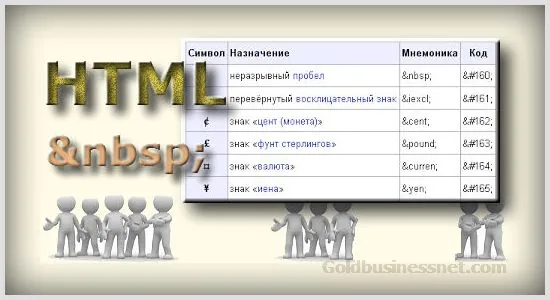
Hello, dear readers! Those of you who have managed to get at least a superficial acquaintance with the lessons on the basics of the hypertext markup language have probably already taken note of what HTML is, even if only in general terms. And therefore, you have an idea of what HTML characters are generally used in the document code. Table of Contents Spaces in hypertext markup language, indents, and text wrapping Space, tab, and line break characters HTML entities in code Examples of using special characters (non-breaking space, soft hyphen, etc.) In today’s article, we will try to figure out

18 Metrics Every Email Marketer Needs to Know

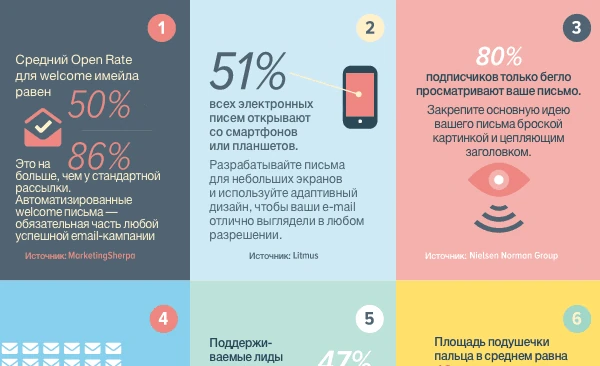
The team of American software developer Emma published an infographic on their website dedicated to 18 facts and figures that, according to Emma employees, should be known to every email marketer — for example, the character limit for email subject lines on the iPhone or the average percentage of the audience that checks their mail in the morning. Employees of the digital agency DigDog translated the infographic specifically for vc.ru.

How Yandex and Google “Look” at Websites

How Yandex and Google “Look” at Websites Website owners often wonder why promotion results in Yandex and Google differ significantly. The thing is that there are a number of differences in the algorithmic formulas of these search engines, which is extremely useful to know in optimization practice. Today we will talk about the characteristic features of both search engines when evaluating the relevance of resources and their approach to forming search results, as well as the pitfalls that a competent optimizer must be prepared for. Document Indexing In the Google search engine, there are two types of indexes: the main